Indoor air quality has become an important topic in modern homes, offices, educational environments, laboratories and smart buildings. While outdoor pollution is widely discussed, indoor environmental conditions are often overlooked despite people spending a significant amount of time inside enclosed spaces.
Many indoor environmental changes are invisible. Increased volatile organic compounds (VOC), poor ventilation, changing humidity levels and temperature variations may not always be noticeable without dedicated sensing equipment.
This creates a demand for compact, intelligent and connected environmental monitoring devices that can provide real-time information about indoor conditions.
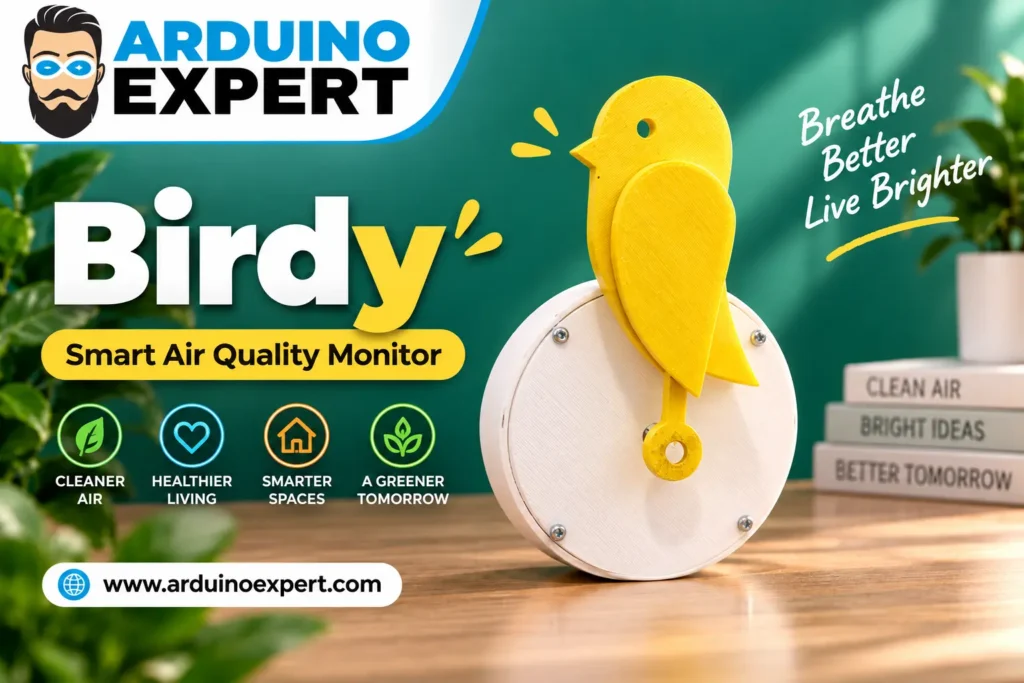
Birdy is a complete smart indoor air quality monitoring device developed by Arduino Expert as an example of professional ESP32 project development, embedded systems development and custom electronics product development.
The goal behind Birdy was not simply to create another sensor module. The objective was to design a complete smart product that combines:
- Advanced environmental sensing
- Embedded firmware
- Wireless connectivity
- Mobile application integration
- Rechargeable power system
- Interactive product design
- User-friendly visualization
Traditional air quality monitors usually focus only on displaying numbers on a screen. Birdy introduces a different approach by combining technology with a friendly physical design.
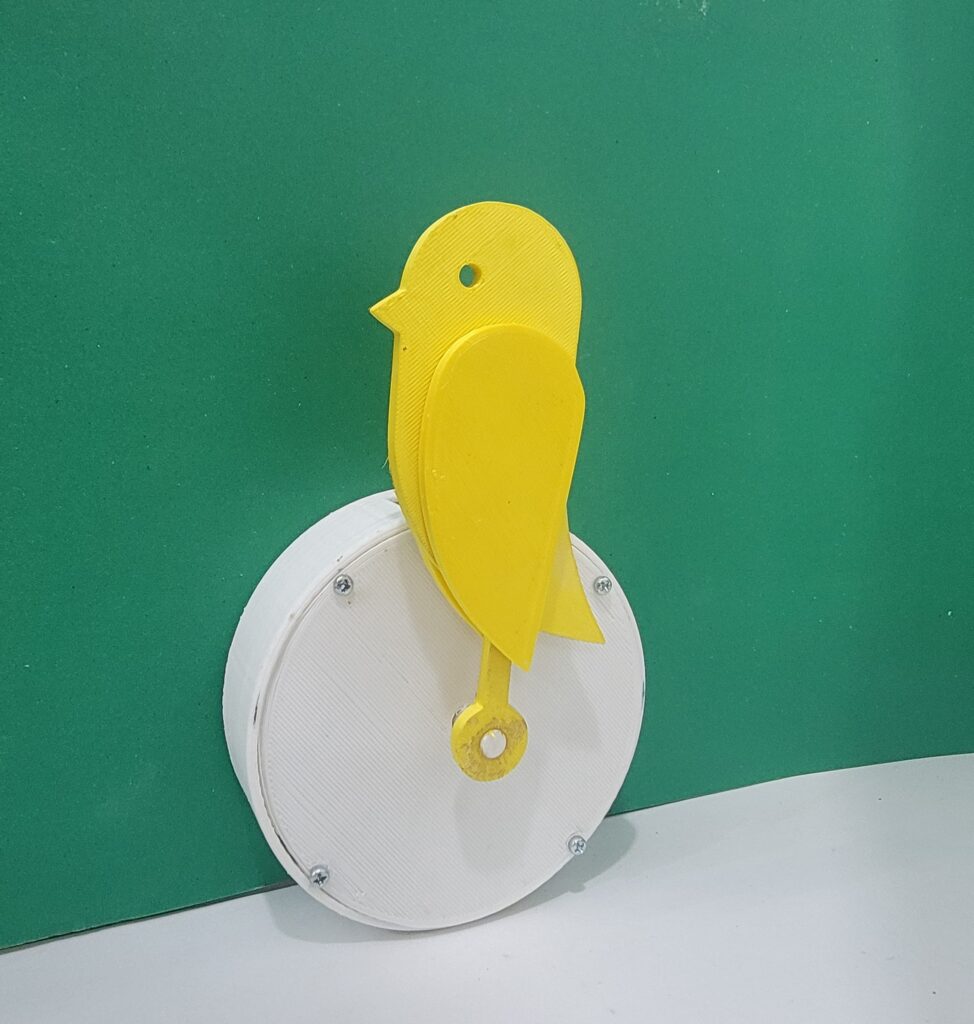
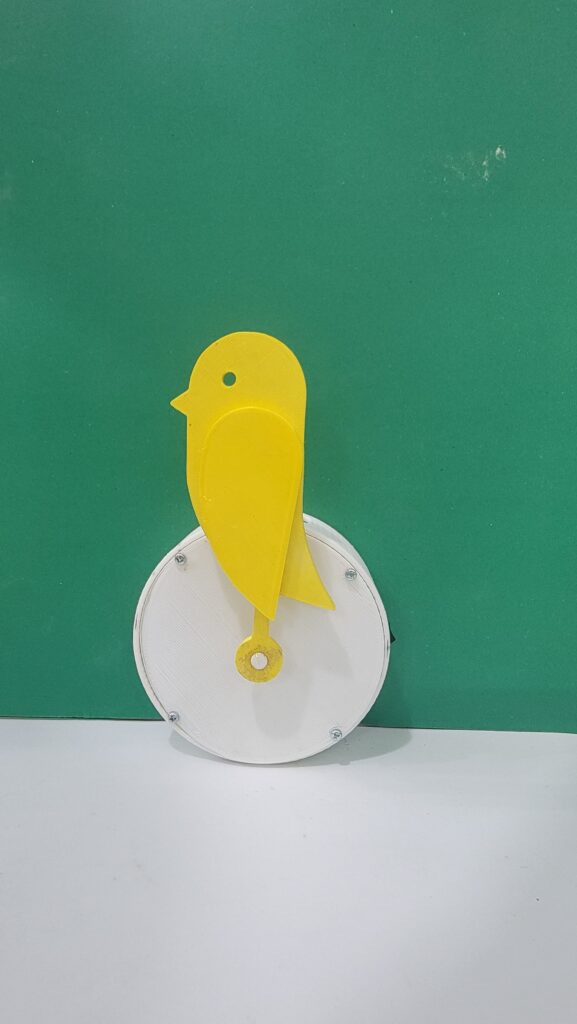
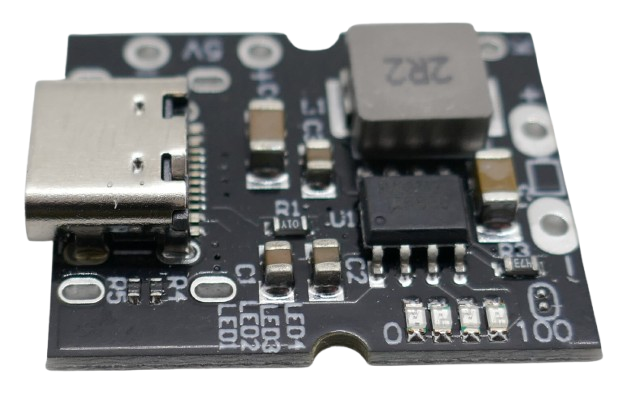
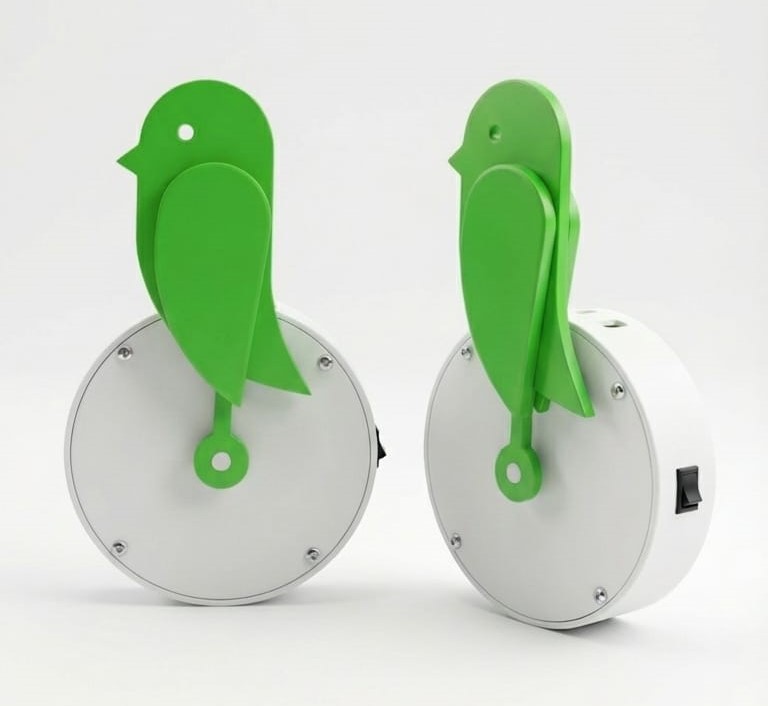
The device uses a unique bird-shaped 3D printed enclosure with a servo-controlled movement mechanism that allows environmental information to be represented physically.
This transforms Birdy from a simple electronic sensor into an interactive smart home environmental companion device.
Product Vision Behind Birdy-wireless air quality monitor
The idea behind Birdy was to create a device that makes environmental monitoring easier to understand for everyday users.
Technical sensor data such as:
- TVOC values
- eCO₂ readings
- temperature
- humidity
- IAQ level
can often be confusing for non-technical users.
Birdy bridges this gap by combining:
→Digital Monitoring
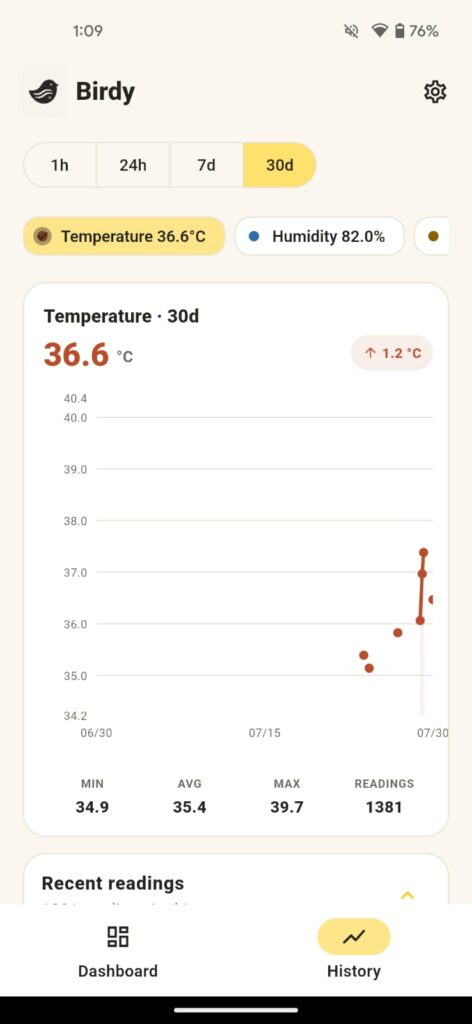
Through a custom BLE mobile application:
- Real-time readings
- Historical data
- Environmental trends
- Sensor information
→Physical Interaction
Through:
- Bird movement
- Servo-based indication
- Visual feedback
This combination creates a more human-friendly IoT product experience.
Birdy as a Complete Product Design and Development Project
Birdy represents the complete journey of taking an idea from concept to functional prototype. The development process involved multiple engineering disciplines:
1. Electronics Development
Designing the hardware architecture including:
- ESP32 controller integration
- Sensor communication
- Battery management
- Servo control
- Alert system
2. Embedded Systems Development
Developing firmware responsible for:
- Sensor reading
- Data processing
- BLE communication
- Power management
- Device control
3. IoT Product Development
Connecting:
- Hardware
- Firmware
- Mobile application
- User interface
into a complete connected device.
4. Mechanical Product Design
Developing:
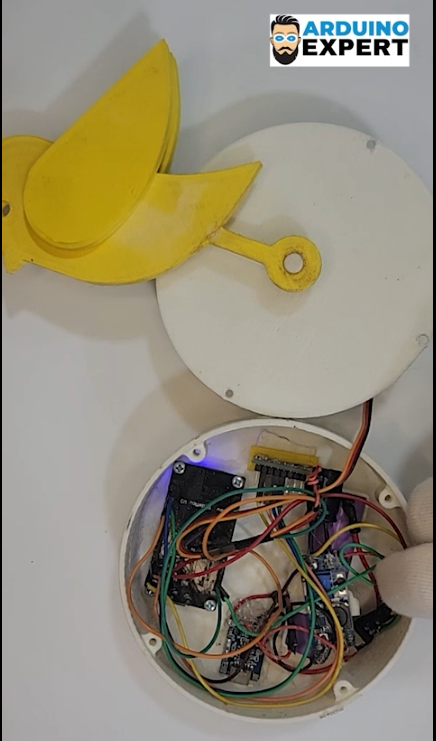
- 3D printed enclosure
- Component placement
- Physical interaction mechanism
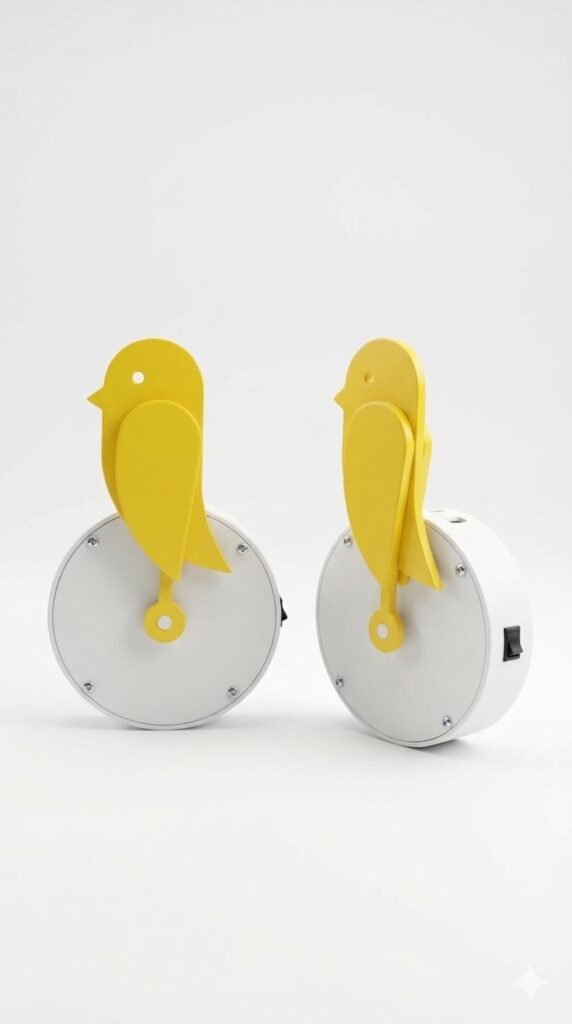
Components used in Birdy Portable air quality monitoring Device
The Birdy hardware platform is designed around a compact and portable IoT architecture.
The main components include:
| Component | Function |
|---|---|
| ESP32 | Main embedded controller |
| ENS160 | Air quality and VOC monitoring |
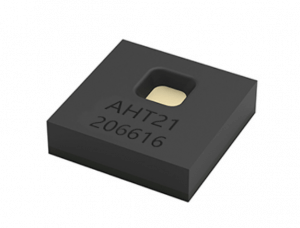
| AHT21 | Temperature and humidity sensing |
| IP5306 | Battery charging and power management |
| 18650 Battery | Portable power source |
| Servo Motor | Physical air quality indicator |
| Capacitor | Servo power stabilization |
| Buzzer | Environmental alerts |
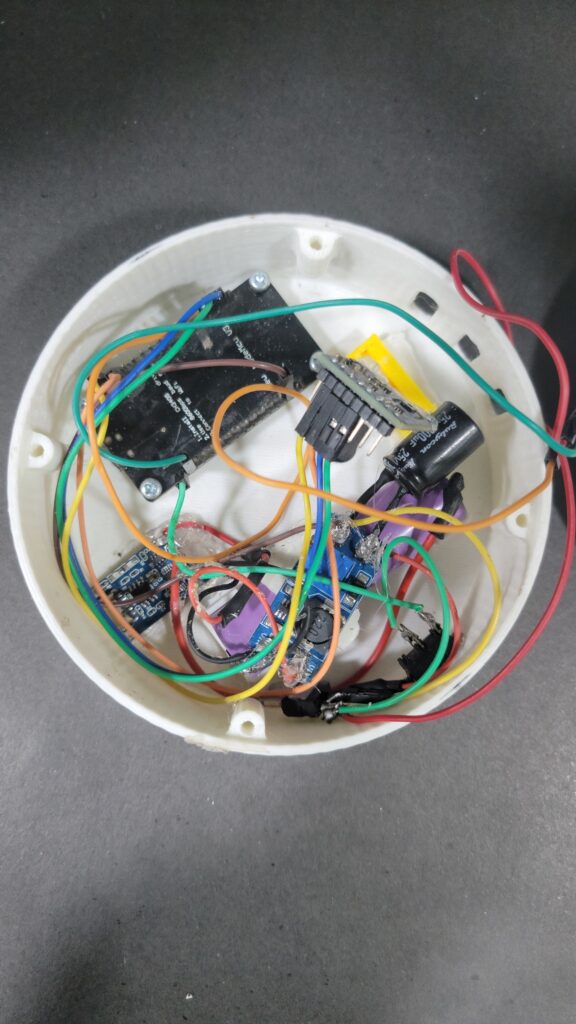
Circuit Diagram of ENS160 air quality sensor and AHT21 with ESP32
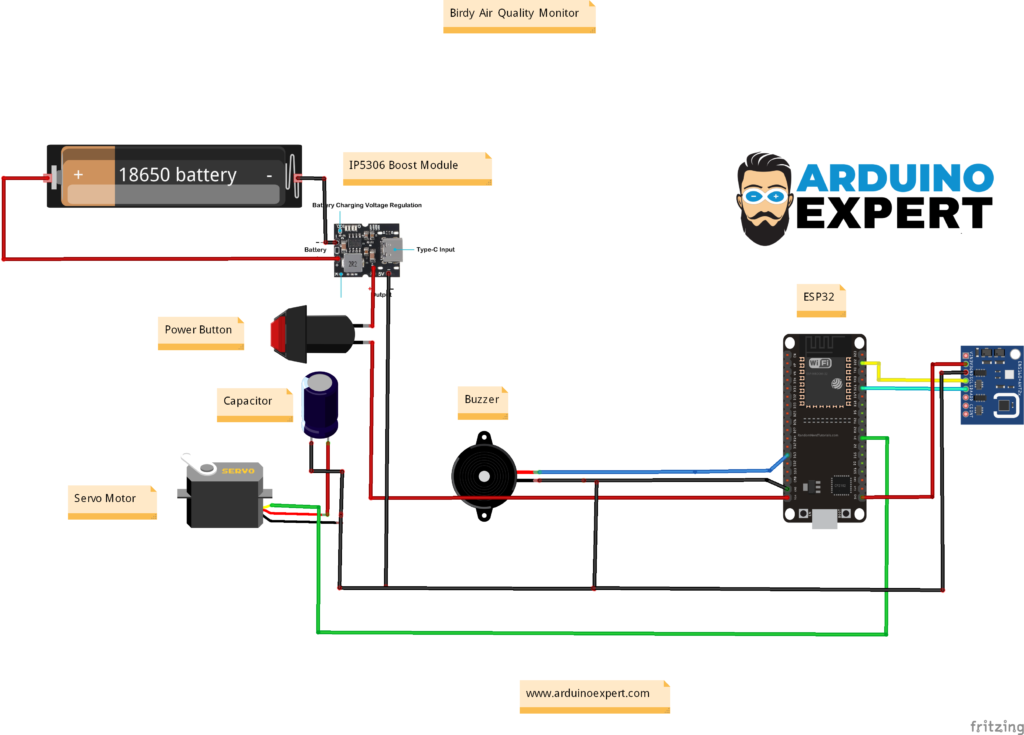
ESP32 Controller Integration
The ESP32 acts as the brain of the Birdy system.
ESP32 was selected because it provides:
- Powerful processing capability
- Integrated BLE communication
- Low-power operation modes
- Wide embedded development support
- Excellent IoT ecosystem

The ESP32 manages all major device operations including:
- Sensor communication
- Data processing
- BLE transmission
- Servo control
- Buzzer operation
- Power management
ENS160 Air Quality Sensor Integration
→Advanced VOC and Indoor Air Quality Monitoring
Birdy uses the ENS160 digital air quality sensor for environmental monitoring.
ENS160 is designed for indoor air quality applications and provides measurements related to:
- Total Volatile Organic Compounds (TVOC)
- Equivalent CO₂ (eCO₂)
- Indoor Air Quality Index
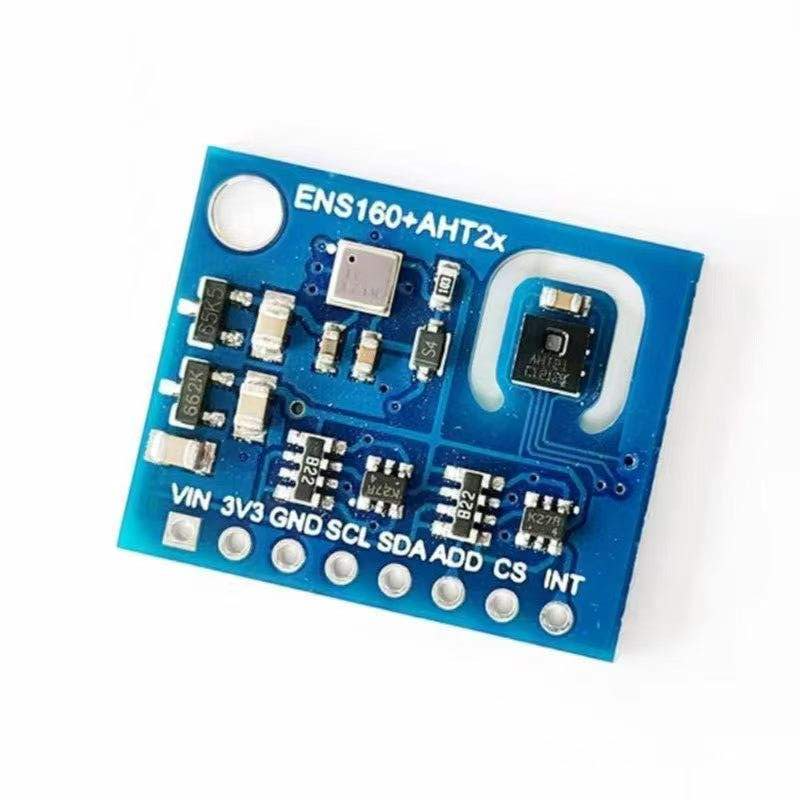
ENS160-based ESP32 projects commonly combine this sensor with temperature and humidity sensors because environmental compensation improves measurement reliability.
Birdy uses these capabilities to create a complete:
VOC Air Quality Monitor and Indoor Environmental Monitoring Device
its Applications include:
- Smart homes
- Offices
- Indoor climate monitoring
- IoT environmental sensing
AHT21 Temperature and Humidity Sensor Integration
Environmental conditions are an important part of indoor monitoring.
Birdy integrates the AHT21 sensor for:
- Temperature measurement
- Relative humidity measurement
These values provide additional environmental information and support sensor compensation.
The combination of:
ENS160 + AHT21 + ESP32
creates a complete environmental monitoring platform.
This architecture is commonly used in ESP32-based air quality projects.
How Birdy Works?
Birdy is an ESP32-based smart indoor air quality monitoring device that combines environmental sensing, BLE connectivity, and interactive product design.
The ENS160 air quality sensor continuously measures indoor air conditions by detecting parameters such as AQI, TVOC, and eCO₂, while the AHT21 sensor measures temperature and humidity. The ESP32 processes the sensor data and sends real-time information to the custom Birdy mobile application through BLE communication.
One of the unique features of Birdy is its servo-controlled bird wing movement, which converts digital air quality information into a physical user experience. The ESP32 processes the ENS160 Indoor Air Quality (IAQ) value and controls the servo motor position according to the detected air quality condition.
The mobile app displays live environmental readings, historical data, and air quality status, allowing users to monitor their surroundings easily. Based on the air quality conditions, the ESP32 can also control the servo-based bird indicator, creating a simple physical interaction between the device and the user.
Powered by a rechargeable 18650 battery with IP5306 power management, Birdy uses low-power embedded design techniques to provide portable and efficient operation.
In simple terms:
Sensors → ESP32 Processing → BLE Communication → Birdy App → User Feedback
Birdy transforms complex environmental data into a simple, friendly, and engaging smart air quality monitoring experience.
BLE Mobile Application Development
Wireless Indoor Air Quality Monitoring Using BLE Technology
One of the key features that transforms Birdy from a standalone sensor into a smart connected product is its BLE-based mobile application connectivity.
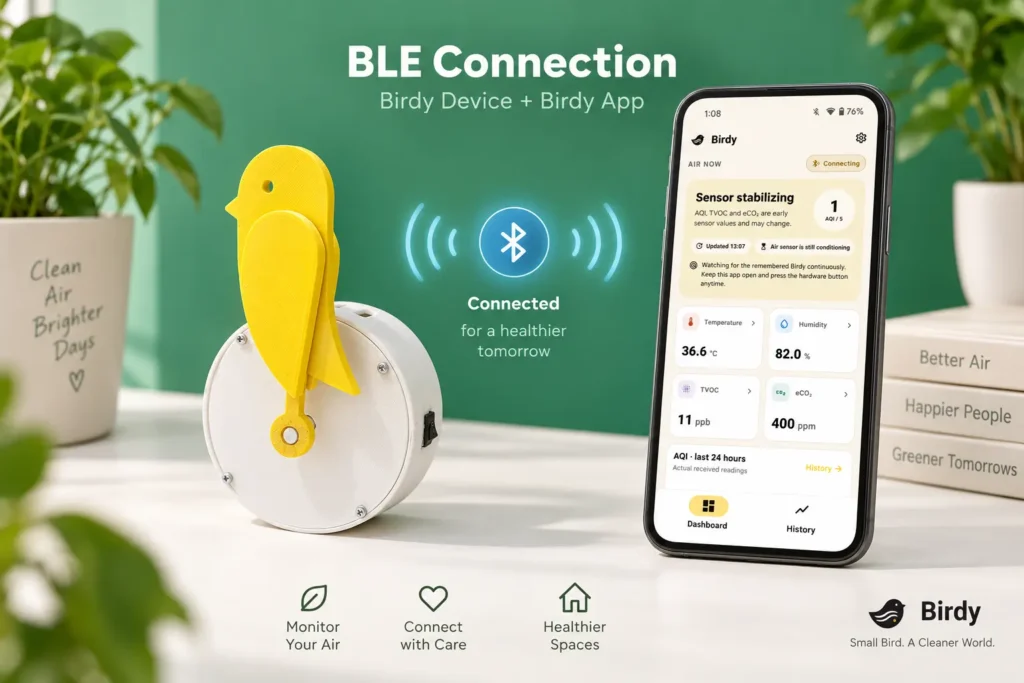
The ESP32 controller communicates with the custom Birdy mobile application using BLE, allowing users to monitor environmental conditions wirelessly from their smartphone.
BLE (Bluetooth Low Energy) was selected because it is suitable for:
- Portable IoT devices
- Battery-powered sensors
- Smart home products
- Wireless environmental monitoring systems
Unlike traditional wired monitoring systems, Birdy provides a convenient wireless experience where users can place the device anywhere in their indoor environment and access sensor information through the mobile application.
Birdy Mobile Application Features
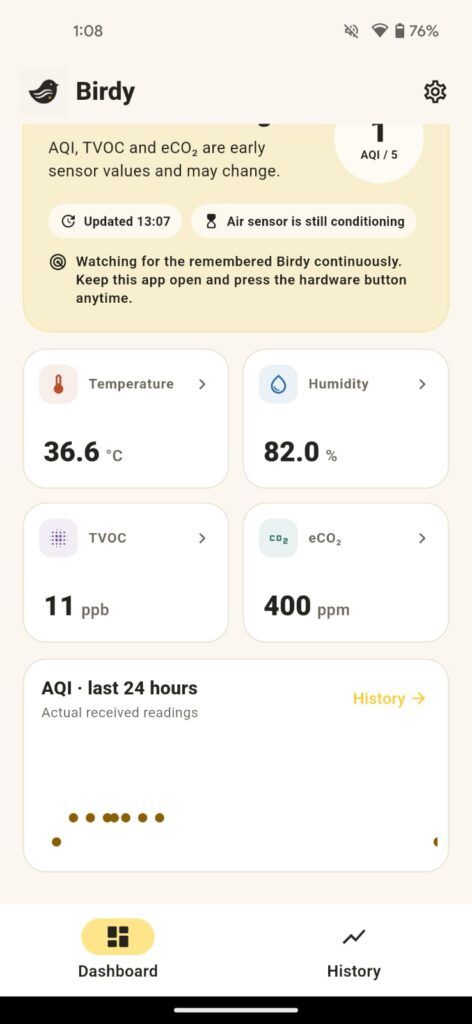
The custom mobile application provides a complete environmental monitoring dashboard.
The application displays:
Real-Time Air Quality Data
Users can monitor:
- Indoor Air Quality level
- TVOC values
- eCO₂ readings
- Temperature
- Humidity
This allows users to understand their indoor environment instantly.
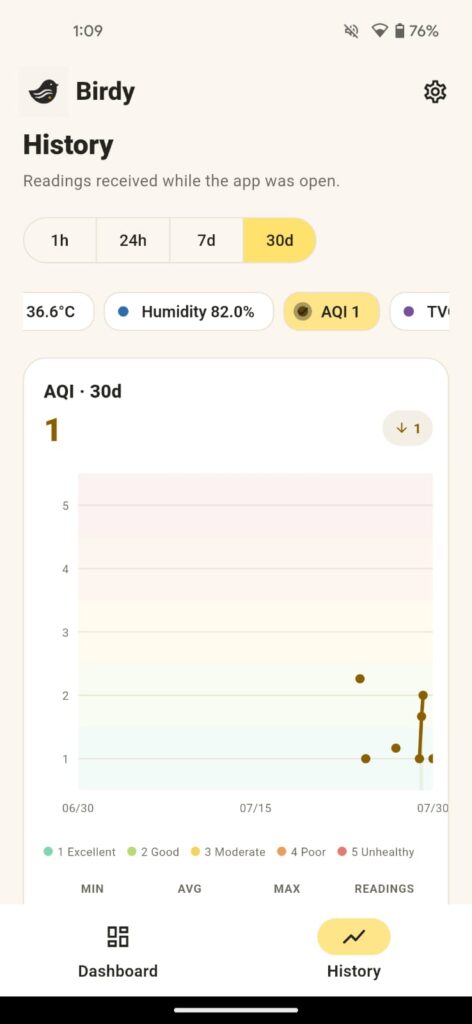
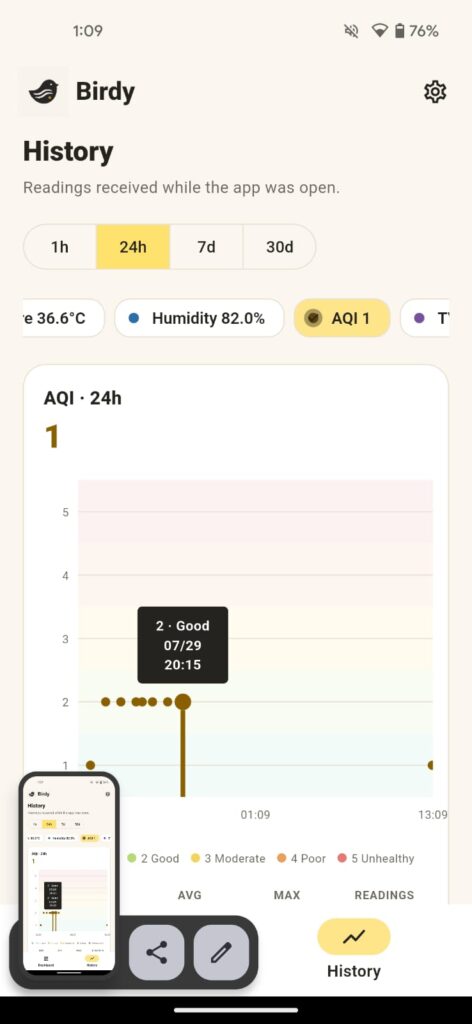
Historical Environmental Data
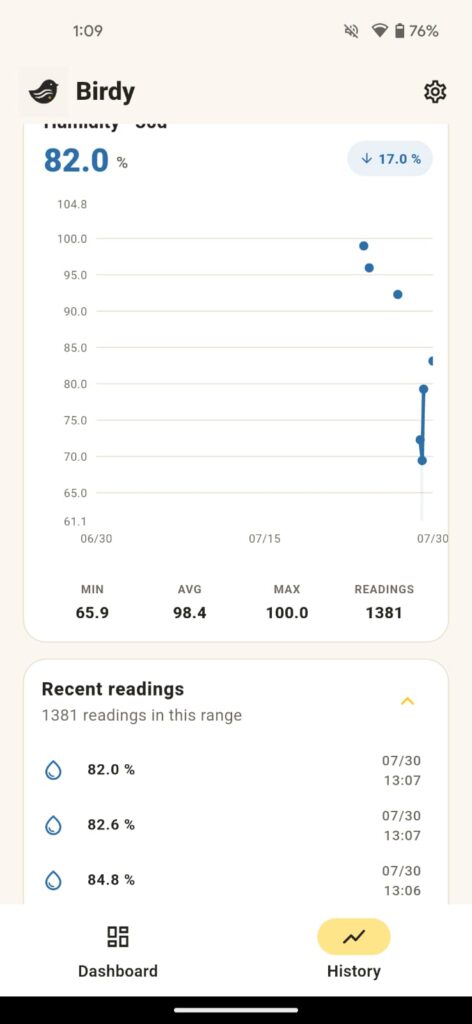
The application stores and visualizes previous readings, helping users identify:
- Air quality changes over time
- Daily environmental patterns
- Ventilation effects
- Indoor condition trends
Historical monitoring is an important feature for smart environmental monitoring systems because air quality is not only about current conditions but also long-term behavior.
Device Connection Management
The Birdy application manages:
- Device discovery
- BLE connection
- Data communication
- Sensor information display
This creates a complete ecosystem:
Sensors
   ↓
ESP32 Firmware
   ↓
BLE Communication
   ↓
Mobile Application
   ↓
User Interface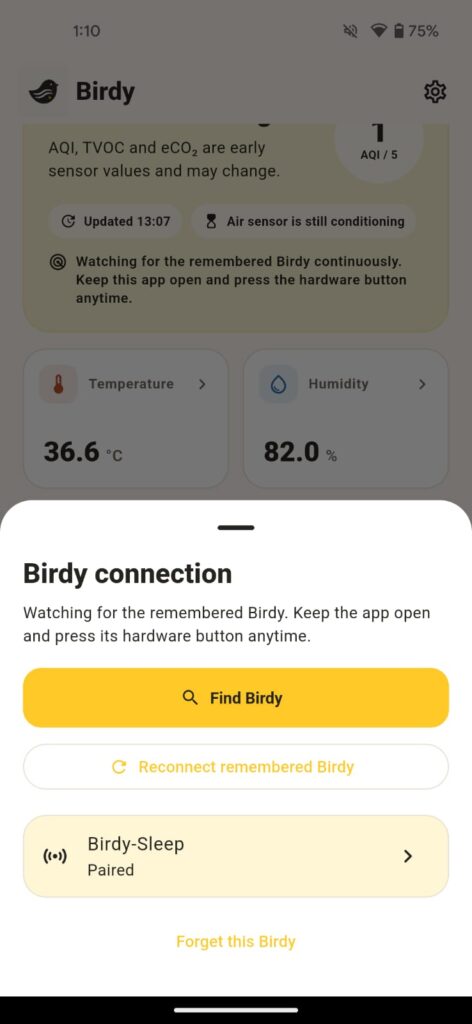
ESP32 BLE Development
Embedded Wireless Communication Architecture
Developing a reliable BLE communication system requires both embedded firmware knowledge and mobile application integration.
The ESP32 firmware manages:
- BLE communication services
- Sensor data transmission
- Device status information
- Connection handling
This demonstrates Arduino Expert’s capability in:
- ESP32 BLE development
- Wireless IoT device development
- Embedded communication protocols
- Mobile-connected hardware products
Firmware Development and Embedded Software Architecture
Intelligent Control System Behind Birdy
The firmware is the core intelligence of Birdy.
The embedded software manages communication between all hardware components and ensures reliable device operation. The firmware architecture includes:
1. Sensor Data Acquisition
The ESP32 communicates with:
- ENS160 air quality sensor
- AHT21 temperature and humidity sensor
through the I2C communication interface.
The firmware performs:
- Sensor initialization
- Data reading
- Environmental parameter processing
- Sensor communication management
2. ENS160 Data Processing
The firmware processes ENS160 measurements including:
- Indoor air quality information
- TVOC data
- eCO₂ values
The sensor data is prepared before transmission to the mobile application.
This creates a complete: ESP32 Environmental Sensor Platform.
3. Temperature and Humidity Compensation
The AHT21 sensor provides:
- Temperature data
- Humidity data
These parameters are important because environmental conditions influence air quality measurements.
The firmware combines environmental data to improve the overall monitoring experience.
4. BLE Data Communication
The firmware packages sensor information and transfers it through BLE.
Data communication includes:
- Air quality values
- Temperature
- Humidity
- Device status
- Historical information
This allows the mobile application to provide real-time monitoring.
5. Servo Motor Control
The firmware also manages the physical bird movement mechanism. The ESP32 generates PWM control signals for the servo motor. Instead of only showing air quality values on the mobile application, Birdy provides an immediate visual indication through the movement of the bird mechanism with respect to AQI Reading. The servo position represents air quality conditions and provides users with a physical indication. This creates an interactive IoT experience:
Environmental Data
        ↓
ESP32 Processing
        ↓
Servo Movement
        ↓
Physical User Feedback
Power Management and Portable Design
Rechargeable Battery Powered IoT Architecture
A major design objective of Birdy was portability.
Instead of requiring a permanent power connection, Birdy uses a rechargeable battery-powered architecture.
The power system includes:
- 18650 lithium battery
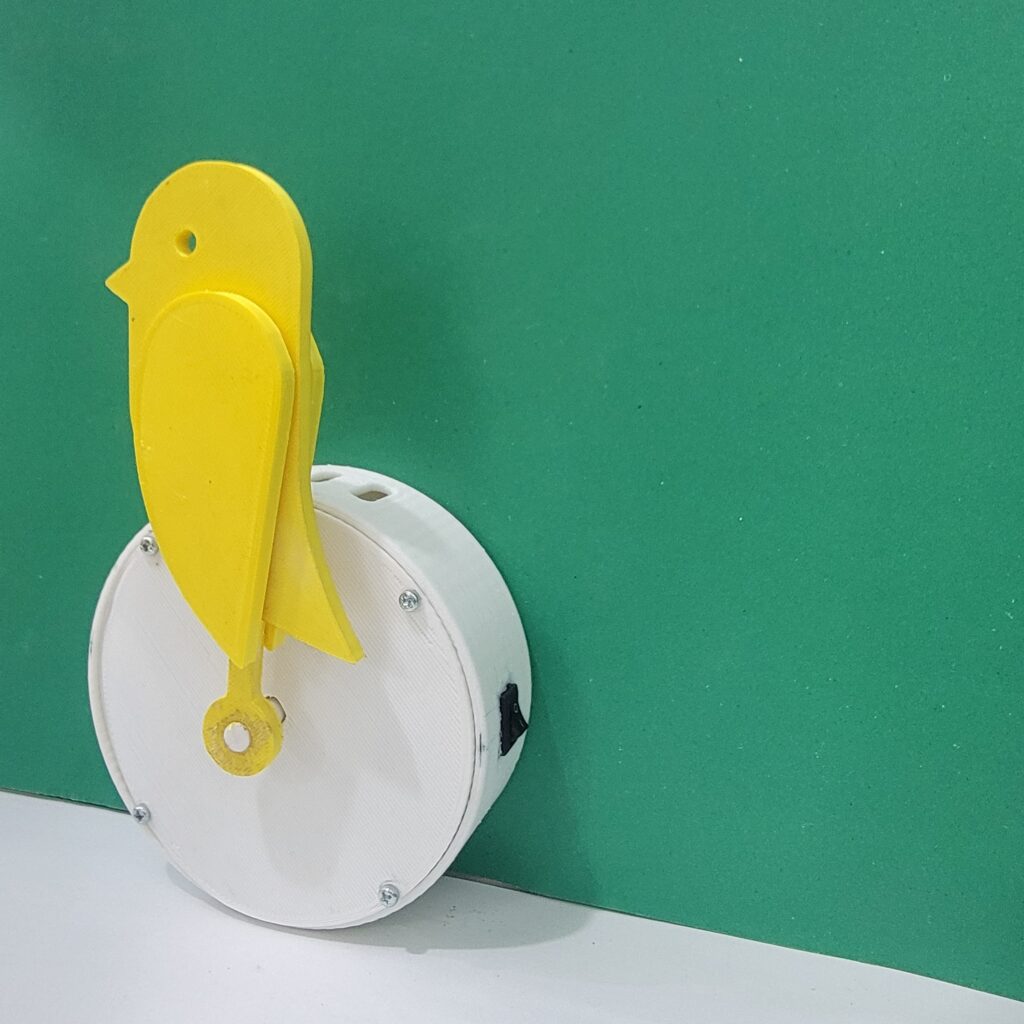
- IP5306 charging and boost module
- USB Type-C charging interface
IP5306 Power Management System
The IP5306 module provides:
- Battery charging
- Voltage regulation
- Power management
This enables Birdy to operate as a wireless environmental monitoring device.
The rechargeable architecture makes Birdy suitable for:
- Portable air quality monitoring
- Smart home applications
- Battery-powered IoT devices
- Wireless environmental sensors
Sleep Mode and Low Power Operation in Birdy
One of the important design considerations in Birdy is power-efficient operation. Since Birdy is designed as a portable, rechargeable indoor air quality monitor, optimizing battery consumption is essential.
The device uses an ESP32 microcontroller with power management techniques (Sleep Modes) to reduce energy consumption during inactive periods. The Birdy remains in Sleep mode for 30 minutes and then awakes and took sensor readings and then again go in sleep mode.
Interactive Air Quality Indicator Development
One unique feature of Birdy is its physical air quality indicator.
Most air quality monitors provide information through:
- Screens
- LEDs
- Mobile applications
Birdy adds another layer:
Physical movement feedback
The bird mechanism responds according to environmental conditions.
Servo Motor Control Engineering
The servo system includes:
- ESP32 PWM control
- Mechanical linkage
- Power stabilization
- Physical indicator movement
The servo converts digital environmental information into a visible physical action.
This improves user interaction because users can understand device status without opening the application.
Buzzer Alert System
Birdy also includes a buzzer-based alert mechanism.
The buzzer can provide additional feedback for specific environmental conditions.
Possible applications:
- Poor air quality warning
- User notification
- Device status indication
This creates multiple feedback methods:
Mobile App
     +
Servo Indicator
     +
Buzzer Alert
3D Printed Product Enclosure Development
From Electronics Prototype to Smart Product Design, A major difference between Birdy and a typical electronics project is the attention given to product design.
Many engineering prototypes remain as:
- Development boards
- Exposed circuits
- Technical enclosures
Birdy moves beyond this approach by creating a recognizable consumer-oriented product.
Product Design and Development Workflow
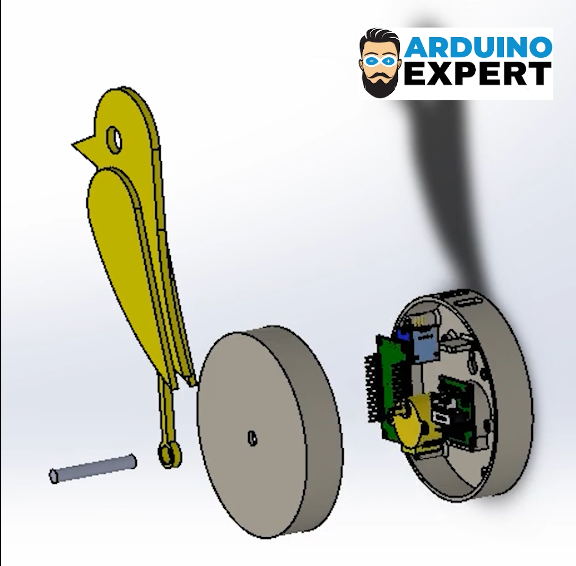
Birdy follows a complete product development methodology.
Phase 1: Concept Development
The project begins with defining:
- Product purpose
- User experience
- Required sensing capability
- Connectivity requirements
Phase 2: Electronics Development
Hardware engineering includes:
- Controller selection
- Sensor integration
- Power system design
- Actuator integration
Phase 3: Firmware Development
Embedded software development includes:
- Sensor communication
- BLE communication
- Data processing
- Power management
Phase 4: Mobile Application Integration
The hardware communicates with a custom application for:
- Monitoring
- Data visualization
- User interaction
Phase 5: Prototype Manufacturing
The final prototype combines:
- Electronics
- Firmware
- Mechanical enclosure
- User experience design
Engineering Challenges and Solutions for Air Quality Monitoring Device
1. Sensor Stabilization and Accuracy
Environmental sensors require proper operation conditions.
Important considerations include:
- Sensor warm-up behavior
- Environmental compensation
- Calibration
- Sensor placement
2. Thermal Considerations
ESP32 controllers and power circuits can generate heat.
For accurate environmental monitoring, sensor placement must consider:
- Distance from heat sources
- Airflow
- Enclosure ventilation
3. Servo Power Stability
Servo motors create dynamic current requirements.
Solution:
- Capacitor-based stabilization
- Proper power design
- Firmware-controlled movement
4. Portable Power Optimization
Battery-powered devices require balancing:
- Performance
- Battery life
- Wireless communication
- Sensor operation
Birdy demonstrates practical low-power IoT design principles.
Possible Future Features and Upgrades
Birdy can evolve from a simple air quality monitor into a complete AI-powered smart environmental assistant by
- Use of Advanced Air Quality Sensors like Sensirion SGP41, Bosch BME688, Sensirion SCD41 / SCD40, Plantower PMSA003 / PMS5003
- Wi-Fi Connectivity and Cloud Dashboard
- Smart AI-Based Air Quality Analysis
- Smart Notification System
- LCD OLED Display Integration
- Improved Mechanical Interaction
- PCB Miniaturization and Commercial Product Development
- Multi-Device BLE Network
Applications, Where Birdy Can Be Used?
Birdy can be adapted for:
- Smart homes
- Bedrooms
- Offices
- Educational IoT projects
- Indoor environmental monitoring
- Smart building prototypes
- Research projects
- Custom IoT product development
Develop Your Custom Air Quality Monitor with Arduino Expert
Have an idea for a smart environmental monitoring device? Arduino Expert helps businesses, startups, and innovators develop custom air quality monitors and IoT products from concept to functional prototype.
Our expertise includes:
- Custom electronics design
- Embedded firmware development
- Sensor integration (VOC, CO₂, PM, temperature, humidity)
- BLE/Wi-Fi IoT connectivity
- Mobile application integration
- Product design and prototype development
Whether you need a portable air quality sensor, smart home device, or a customized IoT environmental monitoring solution, our team can help transform your idea into a reliable, production-ready product.
Conclusion
Birdy represents the complete journey of developing a modern connected electronic product — from initial concept and product design to hardware engineering, embedded firmware development, BLE communication, mobile application integration and physical prototype manufacturing.
The project combines multiple engineering disciplines:
- ESP32 project development
- Embedded Systems Development
- Custom Electronics Project Development
- IoT Product Development
- Product Design and Development
- Firmware Development Services
By integrating the ESP32 controller, ENS160 air quality sensor, AHT21 environmental sensor, rechargeable battery system, BLE connectivity and interactive servo-based feedback mechanism, Birdy demonstrates how intelligent devices can be designed for real-world applications.
The project also highlights an important principle in modern product engineering: successful IoT products require the combination of reliable electronics, intelligent software, efficient communication and thoughtful user experience design.
Arduino Expert helps businesses, startups and innovators develop similar smart electronic products by providing complete solutions from idea validation to functional prototype development.
Whether the requirement is an ESP32-based sensor device, a custom IoT product, embedded firmware development or complete electronics product development, Arduino Expert provides the engineering expertise required to transform concepts into working solutions.
Frequently Asked Questions (FAQs)
What is Birdy smart indoor air quality monitor?
Birdy is a portable ESP32-based indoor air quality monitoring device developed by Arduino Expert. It measures environmental conditions using ENS160 and AHT21 sensors and communicates with a custom mobile application using BLE.
What makes Birdy different from traditional air quality monitors?
Birdy combines environmental sensing with interactive product design. Instead of only displaying numerical data, it uses a physical bird-shaped design and servo-based movement to provide a more engaging user experience.
Which microcontroller is used in Birdy?
Birdy uses an ESP32 microcontroller as the main processing unit for sensor communication, BLE connectivity, firmware operation and actuator control.
Which sensors are used in Birdy?
Birdy uses:
ENS160 air quality sensor
AHT21 temperature and humidity sensor
Together they provide indoor environmental monitoring capability.
What parameters can Birdy monitor?
Birdy can monitor:
Indoor air quality information
TVOC
eCO₂
Temperature
Humidity
Why is ENS160 used in Birdy?
ENS160 is suitable for indoor air quality applications because it provides digital air quality measurements including VOC-related information and eCO₂ estimation. However, we can also use other sensors.
Why is AHT21 used with ENS160?
Temperature and humidity information helps provide complete environmental monitoring and supports more reliable sensor operation.
Does Birdy use BLE communication?
Yes. Birdy uses BLE communication between the ESP32 device and the custom mobile application.
Is Birdy battery powered?
Yes. Birdy uses a rechargeable 18650 battery with IP5306 power management and USB Type-C charging.
Can Arduino Expert develop a custom air quality monitor or similar ESP32 products?
Yes. Arduino Expert provides complete custom air quality monitor and IoT product development services, from concept design to functional prototype development. Arduino Expert develops custom ESP32 devices, sensor-based products, IoT solutions and embedded systems.
Can Arduino Expert develop firmware for custom electronics?
Yes. Arduino Expert provides embedded firmware development services including sensor integration, communication protocols and microcontroller programming.
Can Arduino Expert develop complete IoT products?
Yes. Complete IoT product development can include:
Hardware
Firmware
Mobile applications
Communication systems
Prototype development
Can this prototype become a commercial product?
Yes. A prototype like Birdy can be further developed through:
PCB optimization
Enclosure refinement
Manufacturing preparation
Product testing
Certification processes
What industries can use similar solutions?
Applications include:
Smart home
Healthcare environments
Offices
Education
Industrial monitoring
Building automation